
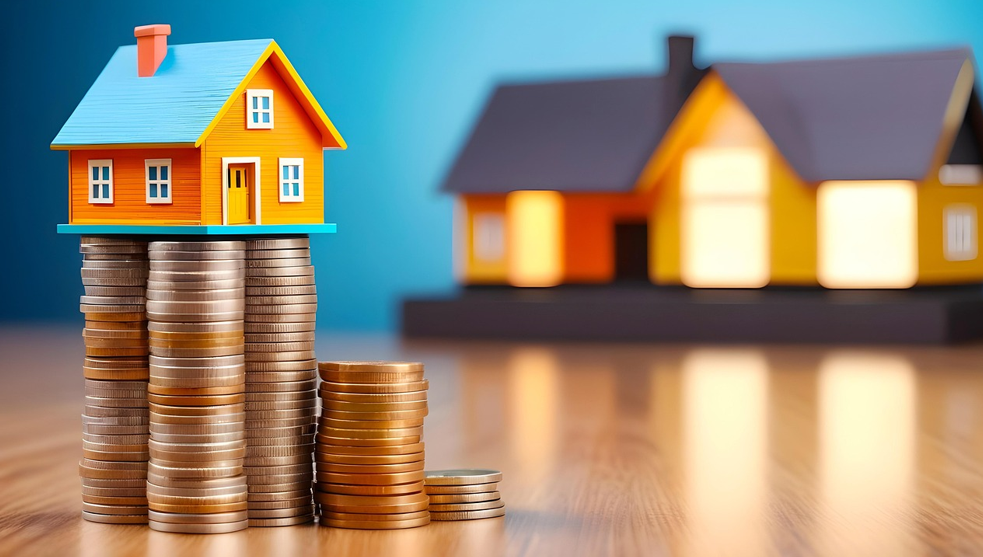
It’s remarkable how, when it comes to sustainability, we’ve become so obsessed with the term “payback period.” After all, the benefits of sustainability are so numerous that it’s harder to come up with reasons not to pursue it.
Anyone who ever flips through a home decor magazine or browses Funda will quickly come across the most stunning kitchens and bathrooms. People also don’t skimp when it comes to buying large cars, as you can see just walking down the street. These are all investments that cost many thousands of euros, even though it’s a given that your new kitchen, bathroom, or car will only lose value from the moment you buy it.
When buying a new kitchen or bathroom, the payback period is never a factor. In fact, there isn’t one. But when it comes to making a home more sustainable, payback period is the dominant concept—even though there are many more reasons to insulate, switch to a heat pump, or install solar panels on your roof. Here are five benefits.
1) Energy bills are going down
The trend is for gas to become more expensive, while electricity is becoming (slightly) cheaper—especially if you generate it yourself with solar panels. People who improve their home’s insulation can lower their energy bills. For this reason, switching from gas to electricity is also a smart move.
2) Greater comfort
This benefit is often overlooked, but making your home more sustainable also means greater comfort. Less cold or drafts means a healthier and more stable indoor climate. Most people also find the constant temperature generated by a heat pump to be particularly pleasant and comfortable.
3) The home's value increases
Although this is primarily an advantage if you’re planning to sell your home, making it more sustainable also means a higher WOZ value. This is because making your home more sustainable leads to a higher energy efficiency rating, which directly affects the home’s value. A high energy efficiency rating is also something buyers are paying more and more attention to.
Over the next few months, the Energieloket will be focusing on helping you improve your energy rating. Want to learn more? Then go to this page.
4) Mortgage payments can (often) be reduced
That higher energy efficiency rating can also result in a lower mortgage interest rate with some mortgage lenders. That way, you’ll save not only on energy costs but also on other housing expenses. Check whether this applies to your mortgage lender and what the terms are.
5) Few investments yield a better return
Interest rates on savings and deposit accounts have been low for years. By investing, you could earn a higher return, but the risks are also higher. Anyone who invests in making their home more sustainable is guaranteed a return. If not financially—due to the payback period—then certainly in terms of comfort.
In other words, if you focus solely on the payback period of a sustainability measure, you’re overlooking its other benefits. So look beyond that single metric and view sustainability the same way you view a new kitchen: as an investment in comfort, home value, and the future.