District Heating Network
A district heating network supplies multiple homes or an entire neighborhood with heat and hot water.
A district heating system, also known as city or neighborhood heating, is a sustainable way to heat a neighborhood without using natural gas. A large central heat source provides heating and hot water for multiple homes. The following energy sources can be used for a district heating system:
Heat from surface water (aquathermal energy);
Geothermal energy;
Geothermal heat (in combination with heat pumps);
Waste heat from industry;
Waste heat from data centers;
Waste incineration plants;
Biomass.
Half of all homes in the Netherlands could switch from natural gas to a district heating network by 2050. A district heating network is a particularly good solution in densely built-up neighborhoods (with high-rise buildings). Through pipes buried in the ground, warm (40 degrees) to very hot water (90 degrees) is delivered to homes in the neighborhood. A heat exchanger in each home ensures that this heat can be used for showering and heating the home.
Heat networks are being installed in more and more places throughout the Netherlands. Homeowners can choose for themselves whether to connect their homes to the network. If someone chooses not to connect, no heat pipes will be buried all the way to the front door. This is because unused heat pipes (those not under pressure) deteriorate quickly. If a main heat network pipeline runs down the street, it will still be possible to connect the home to it at a later date.
The rollout of the district heating network in Haarlemmermeer
In the Haarlemmermeer 2030 Heating Vision, the municipality outlines a step-by-step approach to transitioning from natural gas to sustainable sources for cooking and comfortably heating homes and buildings. The Heating Vision describes, for each neighborhood, what the municipality considers to be the best alternatives. In the following locations in Haarlemmermeer, initiatives have been launched to investigate whether a district heating network is a feasible solution:
Rijsenhout
In Rijsenhout, a residents’ initiative is exploring whether heat from the Ringvaart and the Westeinderplassen can be utilized. In the winter, the warm water is used for heating, and in the summer, the cold water is used for cooling.
Hoofddorp City Center
At this location, a district heating network is being considered for new construction, to which existing buildings in the surrounding area can also be connected.
Costs of Connecting to the District Heating Network
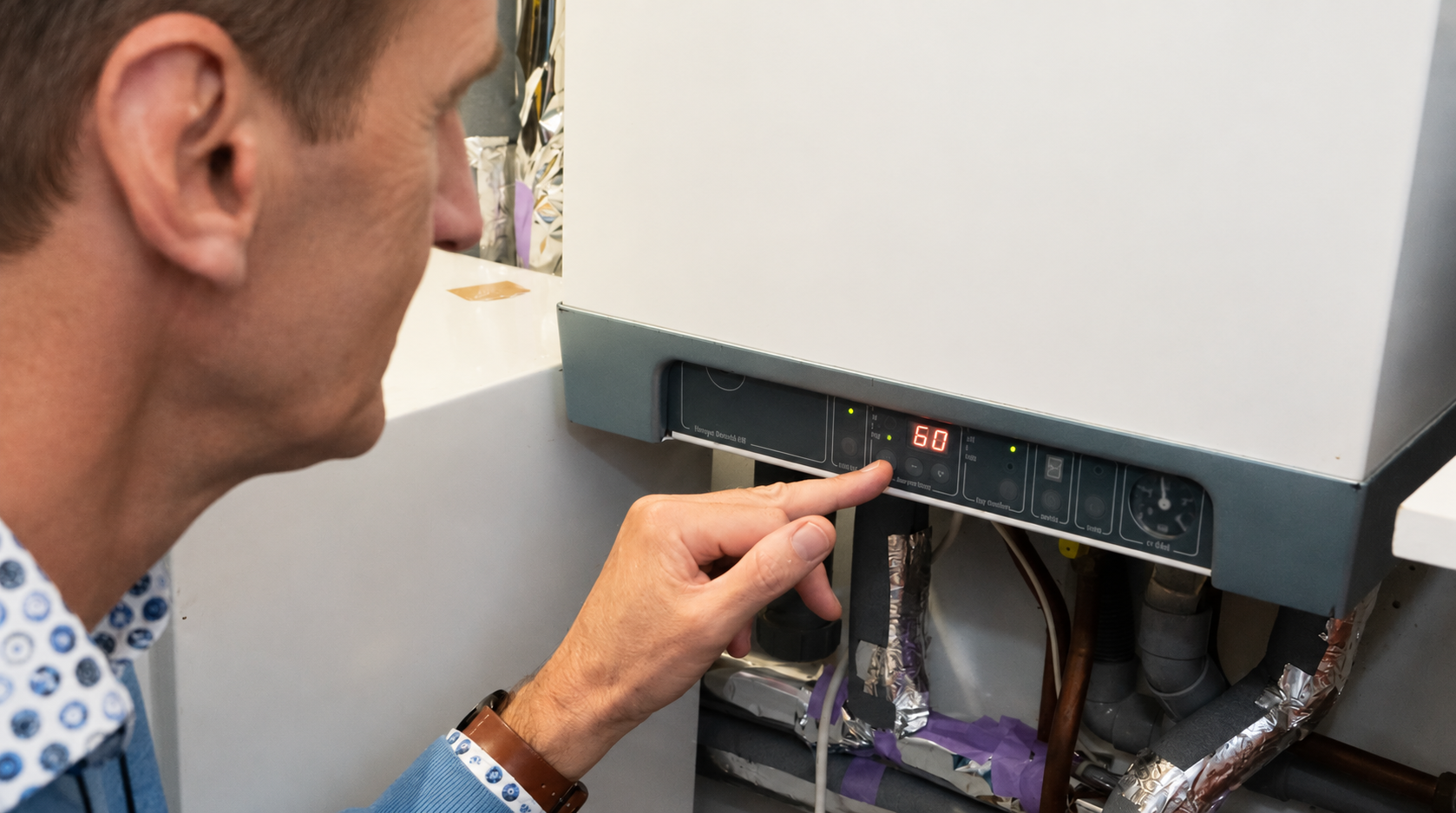
To connect to the district heating network, a delivery unit (heat exchanger) is required in the home. The delivery unit ensures that heat from the network is transferred to the central heating system (radiators and/or underfloor heating). The hot water circuit in the home is also supplied with heat in this way. The delivery unit is equipped with a heat meter that tracks how much heat is supplied to the home (similar to a gas meter). The heat supplier charges a one-time fee for installing this delivery set and laying the heat pipes from the street to the home. These are the connection fees. Connection fees vary by project, depending on the number of homes being connected to the district heating network and the required infrastructure. In a densely built-up area with a local heat source available, the connection fees will be many times lower than in rural areas located farther from the heat source.
In most cases, the delivery kit remains the property of the heat supplier. The heat supplier is therefore responsible for maintaining and, if necessary, replacing the kit. As a result, maintenance costs are included in the fixed monthly charges.
New Construction
Currently, it is mostly new-construction homes that are connected to a district heating network. The heating system is already configured for connection to the district heating network during construction. For existing homes, modifications are often required before connection. This primarily involves changes to the piping system for both the heating system and the hot tap water. When an existing home is connected to the district heating network, the resident is responsible for these modifications. The heat supplier does, however, provide advice and inspects the connection beforehand.
Heating and Heat Supply Costs
The Heat Act sets the maximum cost for a district heating network. This includes the fixed connection fees and the variable costs per unit of heat purchased (GJ). At this time, it is not possible to choose your own district heating provider. To protect consumers, the law stipulates that the costs may not exceed those of heating with a private natural gas boiler. As a result, heat prices are closely tied to gas prices, meaning that heat and gas prices will be roughly the same. Now that gas costs are rising, it is necessary to decouple heat prices from gas prices. This will encourage people to switch to alternatives more quickly.
High and Low Temperatures
The level of insulation required for a home to be connected to a district heating network depends on the type of district heating network. Heat networks differ in temperature. The lower the temperature of the heat network, the better the home must be insulated. A high-temperature heat network delivers heat at approximately 90 degrees. At this temperature, any (uninsulated) home can be supplied with heat. The disadvantage of this is that generating this high temperature is not efficient. Furthermore, a relatively large amount of heat is lost during the transport of hot water from the heat source to the homes.
A medium-temperature district heating network has an average temperature of approximately 70 degrees. This temperature is sufficient to heat a moderately insulated home. In older neighborhoods where it is not possible to properly insulate homes, a 70-degree district heating network can offer a solution.
Homes built after 1995 or older homes that have been retrofitted with insulation are well-insulated and can be heated at lower temperatures, ranging from 50 to 55 degrees. When retrofitting insulation to a previously uninsulated home, you have the advantage that the radiator capacity was originally calculated for an uninsulated home; as a result, it is likely that no adjustments to the heat distribution system will be necessary.
Because new housing developments often have optimal insulation, it is possible to operate at low temperatures (less than 40 degrees). Neighborhoods undergoing extensive renovations can also be adapted for this purpose. High- and low-temperature district heating networks can be combined. The residual heat from a high-temperature district heating network serving a neighborhood with poorly or moderately insulated homes can be used to supply a low-temperature district heating network.
Completely natural gas-free
To remove the gas connection, an induction cooktop will also need to be installed. In addition to purchasing an induction cooktop, an additional electrical cable will need to be run, and the meter box will need to be modified. For now, removing the gas line is free of charge. Once the gas connection has been removed, you will, of course, no longer pay the fixed charges associated with it.