

Local Initiatives
The Energieloket supports local initiatives in the region that focus on sustainable ways to generate and conserve energy. Do you have plans to launch an energy-related initiative on your own or with others? Let us know! We’d love to help you develop your ideas. Send an email to: contact@energielokethaarlemmermeer.nl
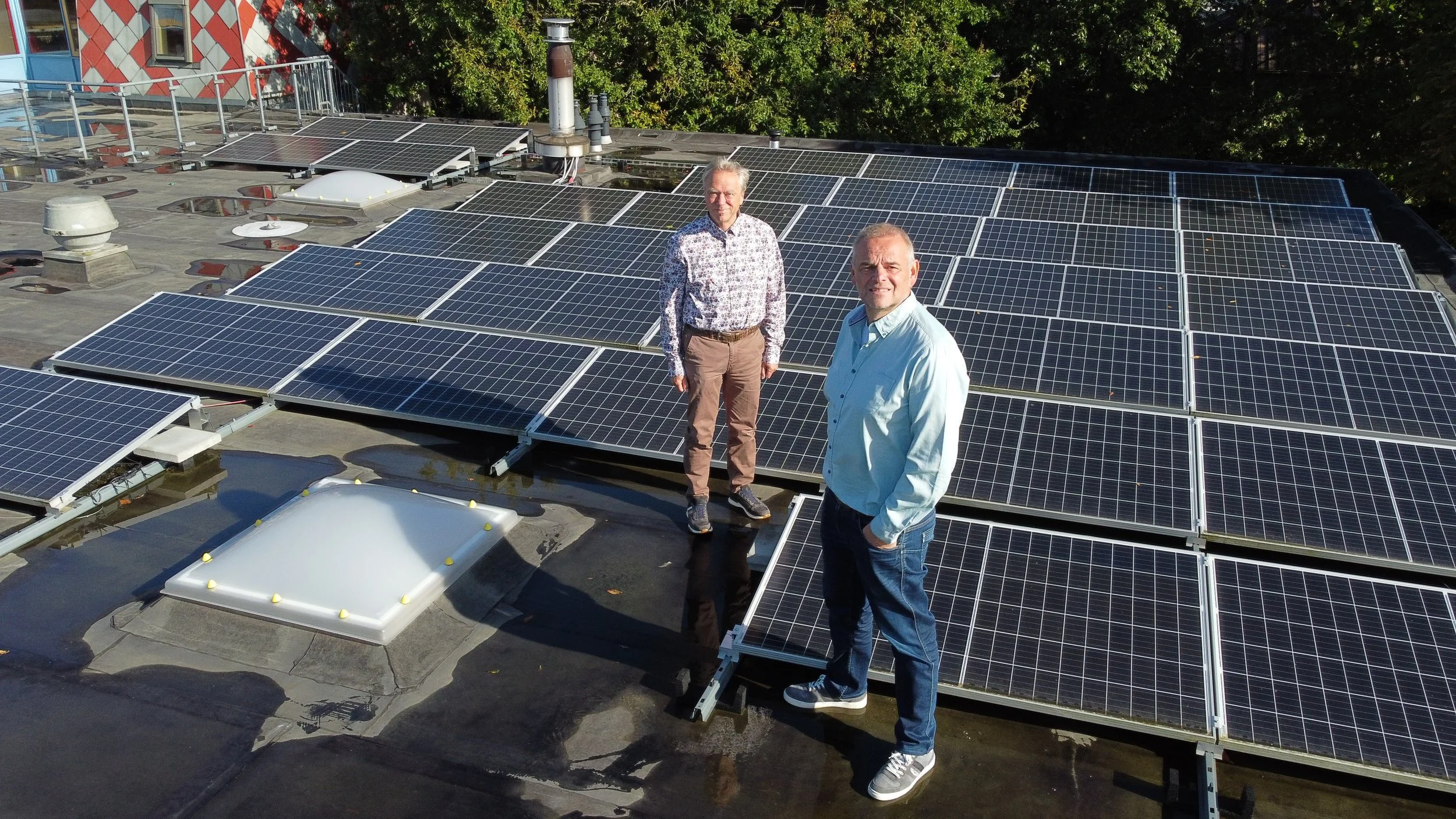
Would you like to start a sustainable energy initiative in Haarlemmermeer? That’s a great idea!
You can work with your neighbors in your village or neighborhood to generate sustainable electricity. You can also save energy or work together to improve home insulation.
The Benefits of a Local Initiative in Haarlemmermeer
Less dependent on energy suppliers
Local Control Over the Energy Supply
Improving Social Cohesion
Innovation and Knowledge Sharing
Reduction of CO2 emissions
Active contribution to the Netherlands' climate goals
The Haarlemmermeer Energy Help Desk and the municipality of Haarlemmermeer offer assistance in various ways.
Group Purchasing Campaign
If you want to purchase sustainable measures as a group, this can result in savings on the purchase price. Examples include solar panels, heat pumps, and insulation. Please contact the Haarlemmermeer Energy Help Desk for more information.
Saving Energy Through Behavioral Changes and Small Steps
Would you like to save energy with your neighbors in your village or neighborhood by changing your habits or taking small steps? If so, please contact the Haarlemmermeer Energy Help Desk.
Saving Energy as a Tenant
Would you like to start an initiative for tenants? If so, please contact the Haarlemmermeer Energy Help Desk. Is it an initiative for tenants who are having trouble paying their energy bills? If so, please contact the Haarlemmermeer Energy Bank.
Joining an existing renewable energy initiative
Would you like to join an existing sustainable energy initiative? Check out this page for an overview of local initiatives in Haarlemmermeer.
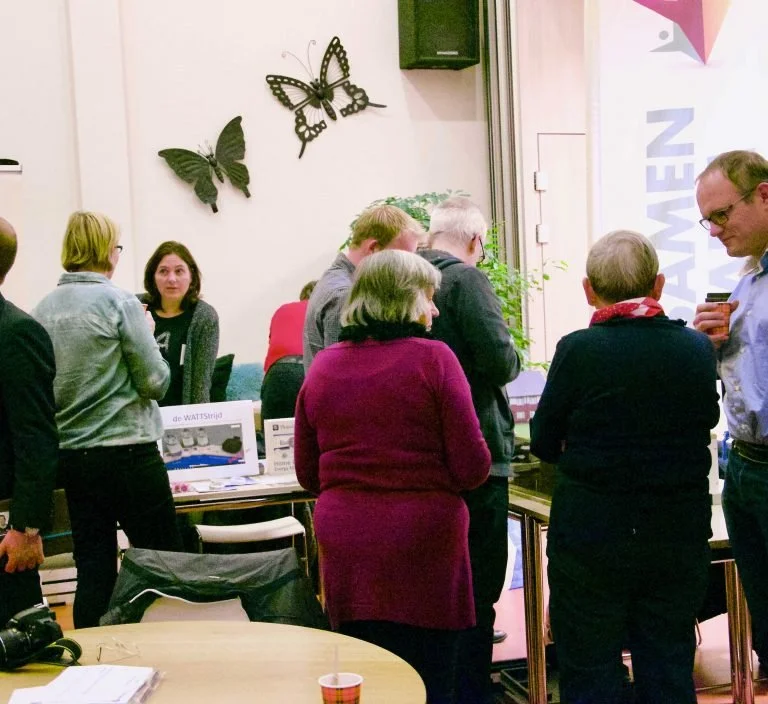

Making Your Homeowners' Association More Sustainable
Would you like to make your homeowners’ association more sustainable? This can be a challenging and lengthy process. Our partner, Vverduurzamen, can help you with this. Learn more about making your homeowners’ association more sustainable.
Start an energy cooperative or a community initiative to generate sustainable electricity or heat
Would you like to invest together in sustainable local energy or heat? Or would you like to start a working group to help your neighborhood or village transition away from natural gas? The municipality of Haarlemmermeer is happy to help. Here you’ll find more information about starting a residents’ initiative.
Local Initiatives in Haarlemmermeer
Island Energy
Eiland Energie is a group of dedicated residents from Floriande who want to help their neighbors save energy and make their homes more sustainable. Together with the municipality, we’re making it easier to become more sustainable. Eiland Energie consists of volunteer energy coaches, former members of the neighborhood council, and dedicated neighbors. Our goal? To provide independent advice on how to make your home more sustainable, step by step. This gives you greater comfort and control over your energy consumption.

Zon op Haarlemmermeer Energy Cooperative
Zon op Haarlemmermeer wants to collectively own solar panels on rooftops; collectively own at least 50% of solar farms; and collectively benefit from the revenue! This applies to both people who can invest in solar panels and those who cannot.

Vijfhuizen Sustainability Working Group
We are the Vijfhuizen Sustainability Working Group. As fellow residents and neighbors, we want to support you wherever possible in making your homes and our village more sustainable and energy-efficient.
This includes, for example, identifying the most effective (and affordable) measures for your home, as well as group purchasing initiatives for items such as solar panels or insulation materials.

Warm Rijsenhout
Residents and business owners in Rijsenhout came up with solutions for the transition to sustainable and clean heat. In January 2022, residents of Rijsenhout allocated 25,000 euros to ideas for the transition to sustainable heat sources.

Countercurrent
Tegenstroom is Haarlemmermeer’s own energy company. We supply both electricity and gas. 100% of the electricity we supply to our customers is generated in Haarlemmermeer by local businesses. We get electricity from Jos (Hoofddorp), StukArt Tuinen (Nieuw Vennep), Hein (Zwanenburg), and Stan (Rijsenhout).

Crosswind
The Meerwind Wind Energy Cooperative operates three wind turbines in the municipality of Haarlemmermeer along the A4 near Nieuw Vennep. These wind turbines generate electricity for 2,100 households.

Stroom by StukArt
StukArt Tuinen has a solar panel system on its roof consisting of 560 solar panels. The landscaping company on Rijnlanderweg in Nieuw-Vennep generates approximately 145,000 kWh per year. They use about 30,000 kWh themselves. They supply the surplus—enough to power about 40 households—to the local energy company Tegenstroom.

Timo's Stream
There are 650 solar panels on the roof of the barn at Timo Steenwijk’s summer flower nursery in Abbenes. Timo: “I use a lot of electricity, especially in the summer. That’s when my flowers are stored in the huge cold storage room. Soon, that room will get its power directly from the sun on my roof. Isn’t that great?”

Jos's Stream
There are 1,400 solar panels on the roof of Jos Koeckhoven’s barn on IJweg. They generate 400,000 kWh per year.
That’s far more than he needs himself. He supplies the surplus—enough for about 125 households—to the local energy provider, Tegenstroom.

Hein's Stream
Hein van Elderen runs a farm in Zwanenburg. His great-great-grandparents settled in the Haarlemmermeer as pioneers in 1873. Hein is the fifth generation of farmers in his family. The farm currently engages in several sustainable initiatives and also supplies electricity through Tegenstroom.

Haarlemmermeer Energy Bank
The Haarlemmermeer Energy Bank helps people on a tight budget save energy. Due to rising energy prices, paying energy bills is becoming increasingly difficult, and this situation can be described as energy poverty.