
Photo: Jur Engelchor
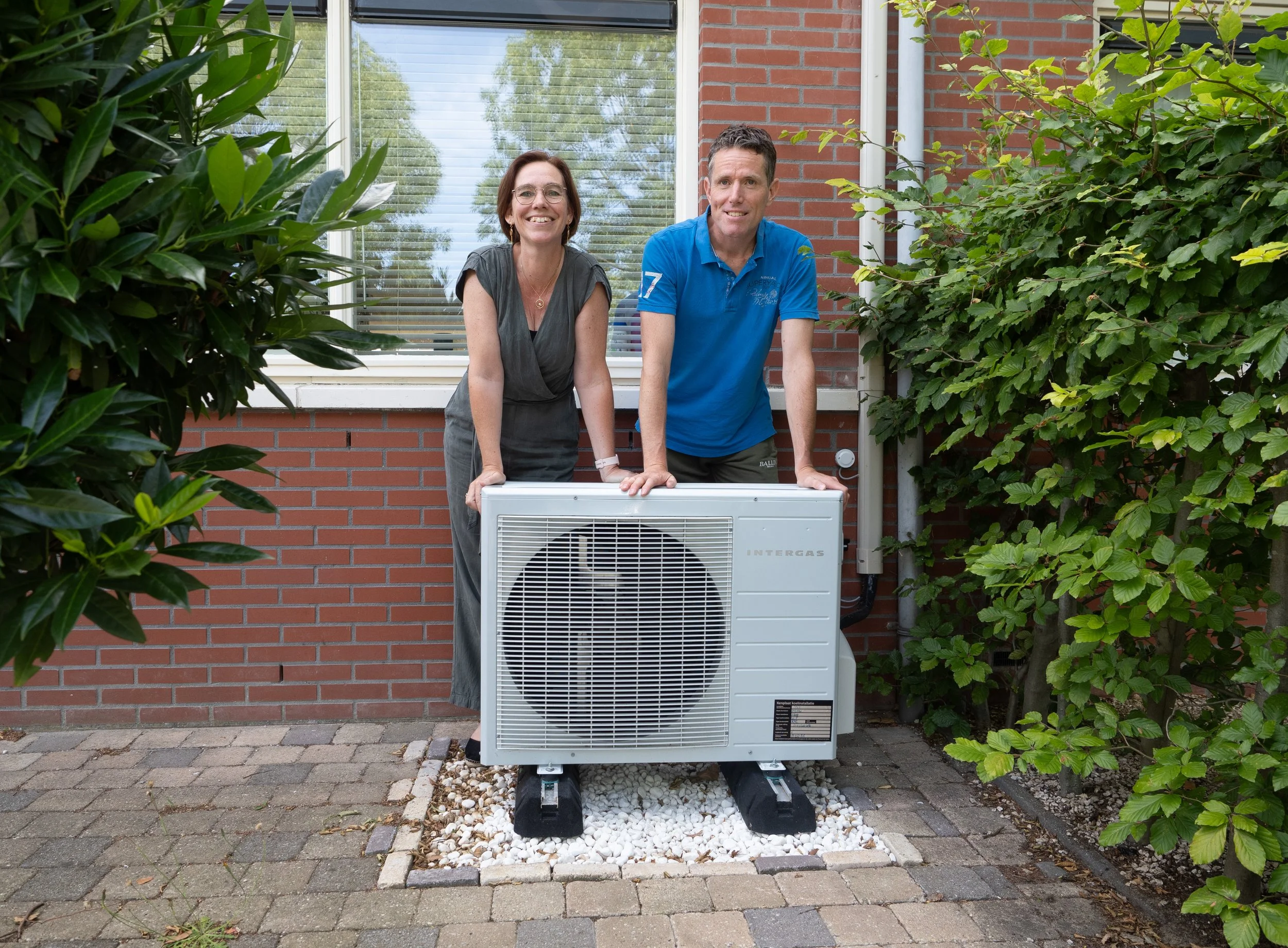
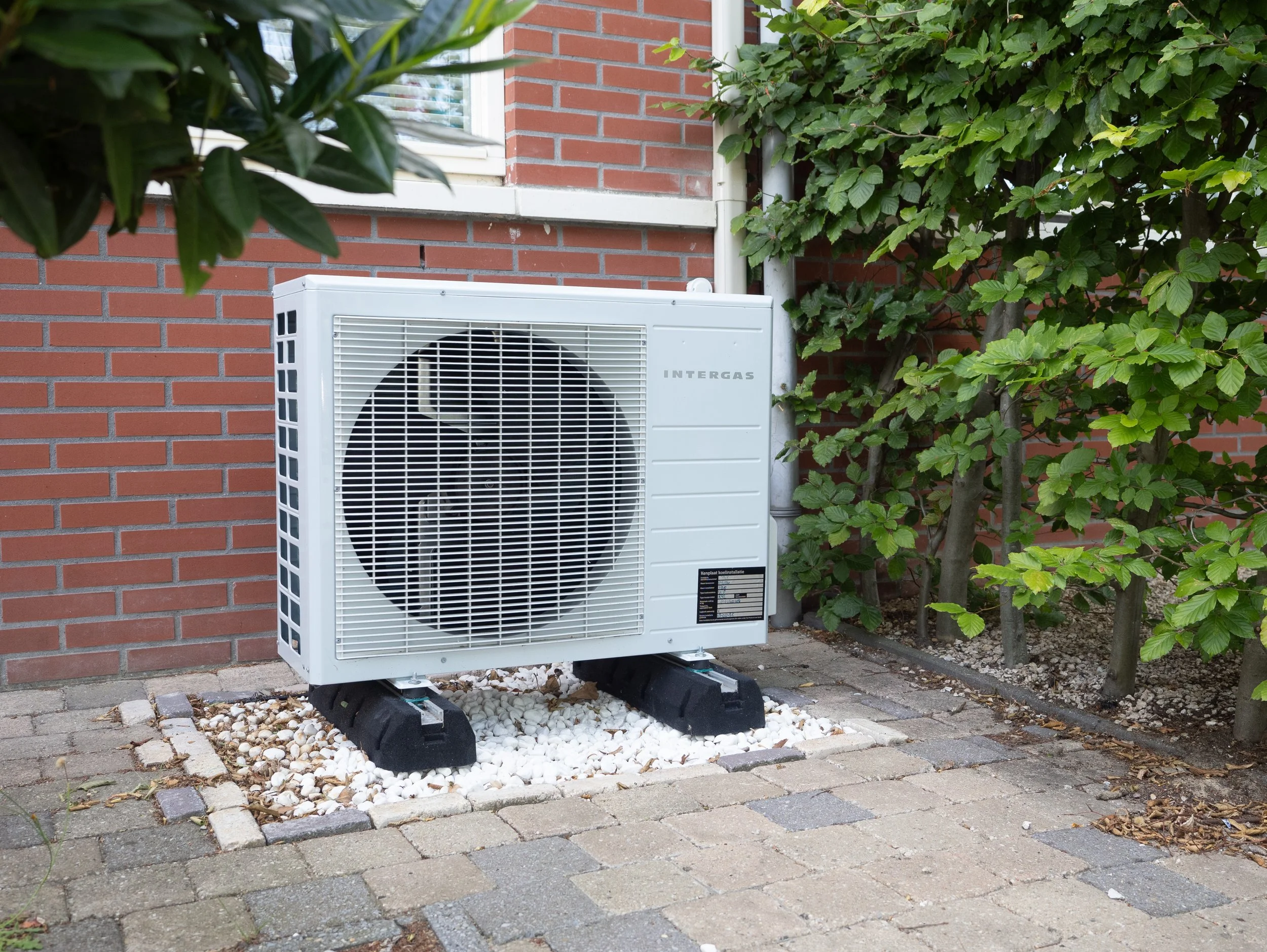
It immediately catches our eye as we step into the neat front yard in Nieuw-Vennep; beneath the kitchen window, in its own little gravel bed: Angelique and Niels’ hybrid heat pump. We talk with them about their experiences and discuss the questions you might encounter during the decision-making process.
How much space does a heat pump take up? And also: Will I get my money’s worth? These are all “bears” you might encounter on the path to getting a heat pump. But are these bears real, or are they just preconceptions that create obstacles? Angelique and Niels walk you through three common obstacles.
1. Specify the space
The first hurdle: a large, gray cabinet that blocks your view of the garden puts a lot of people off. And that’s not even mentioning the indoor unit, the water heater tank, and all those extra pipes. Sustainability is important, but you should still be able to move around freely in your own home and garden, right?
Angelique and Niels say they were pleasantly surprised by the size of the units. The outdoor unit immediately catches your eye when you walk into the front yard, but that also makes you a neighborhood ambassador for sustainability. And the indoor unit? It’s just a small box, the couple says. The small buffer tank, which Angelique and Niels were advised to add, turned out not to be necessary after all. In other words: the space required isn’t as bad as you’d think.
A buffer tank is a type of tank that stores hot water. You can think of it as a small heat storage unit. With a hybrid heat pump, this can help the pump operate more quietly and efficiently.
2. Noise pollution
Another fear shared by many who are considering a heat pump: what will the neighbors think? This crossed Niels’s mind as well: “One of my biggest concerns was, will the neighbors put up with the noise?” Of course, you want to avoid ending up on an episode of *De Rijdende Rechter* over a noise complaint. So the neighbors were notified well in advance.
And what about the noise? “I don’t even hear it,” says Niels with satisfaction. And: “A boiler makes a lot of noise, too, but you get used to that.” So what’s a soft hum from a heat pump, anyway?
3. Payback Period
“For us, recouping the investment comes second,” Niels begins when we bring up the concept of “payback period.” The Vennepers wanted to do their part for the energy transition; the payback period was less of a concern. This raises a valid question on the wooden kitchen table: Is this focus on payback time actually fair? Of course, it’s important to carefully determine whether this investment is sensible and right for you. But: “With a new kitchen or bathroom, it’s never about payback time,” Angelique points out, drawing a valid comparison. In addition, there are other ways to recoup an investment like this. For example, a (hybrid) heat pump can improve your energy efficiency rating, which in turn can increase the value of your home.
“You can recoup the cost of a heat pump by using less energy, but you’ll also recoup it because your home will increase in value.”
Experiences
Now that the initial hurdles have been cleared, it’s time for the most important question: how do they like the heat pump? Angelique and Niels can’t say much yet about the freezing cold winter months. But the difference in comfort is already clearly noticeable. “At first, there was a big temperature difference between the kitchen and the living room,” the couple explains. Now the heat is distributed much more evenly: “It’s much more comfortable,” they conclude with satisfaction.
Tips
What advice do Angelique and Niels have for other residents who are considering a heat pump?
If you're just starting out and still have doubts, just ask for a quote, Niels advises. “At least then the train will keep moving.”
“Don’t wait to consider your options until your boiler breaks down,” says Angelique. Then you’ll suddenly have to make a decision, and there won’t be much time to explore other possibilities.
“You don’t have to quit smoking cold turkey,” says Angelique. “Think in terms of small steps.”
If you do want to take a bigger step, try looking at the obstacles from a different perspective and ask yourself: Is this really an obstacle? That way, you’ll make the transition to sustainability a lot easier for yourself.