
More with Solar Power
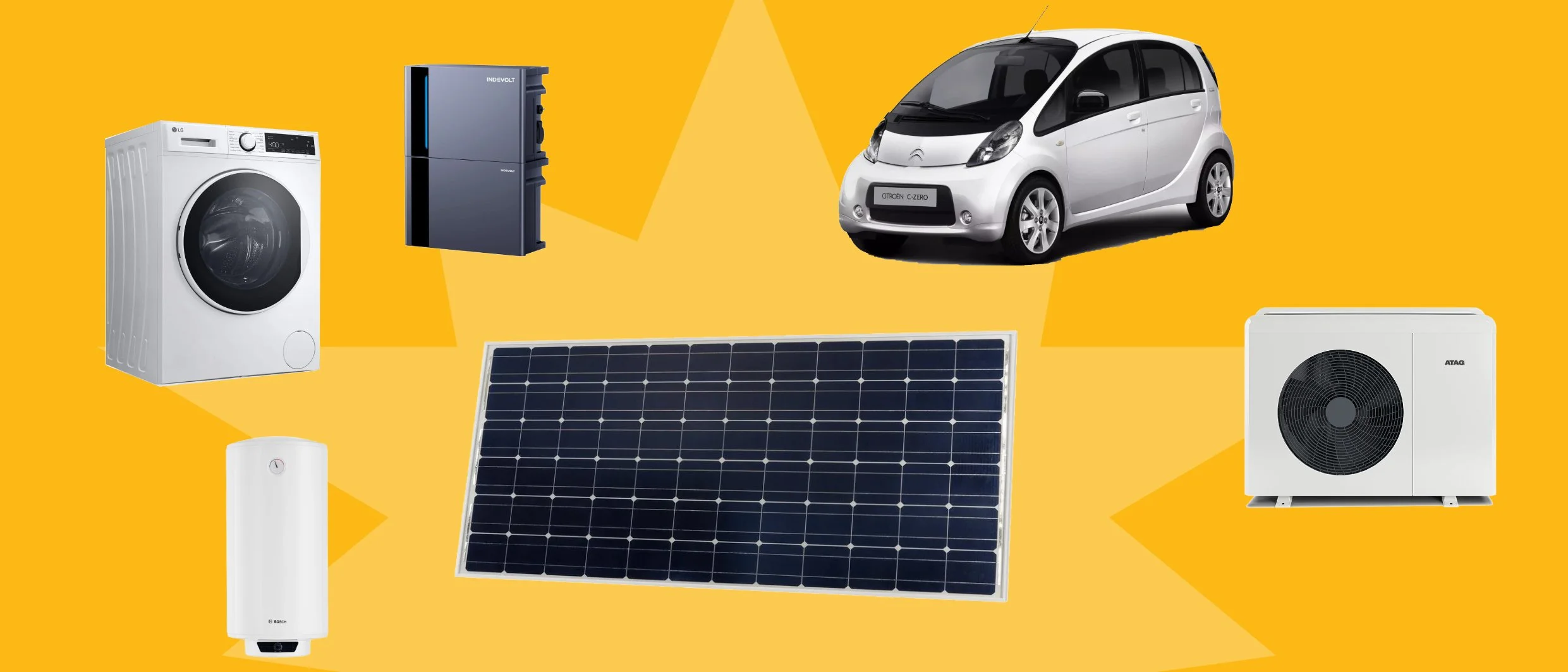
Even when the net metering program ends, your solar panels will continue to generate electricity as usual. But how can you make the most of that electricity? And is a home battery really necessary? During our campaign, we’ll tell you all about it.
Even after you start feeding power back into the grid, your panels will continue to generate electricity.
Installing solar panels is one of the best investments you can make—even if you can no longer offset your electricity usage. It’s important, however, to use as much of your own solar power as possible. You can do this in three steps:
Adjusting Behavior
Replacing Gas (and Gasoline) with Electricity
Store excess electricity and use it later
Is it still a good idea to have solar panels installed?
Absolutely. Even if you no longer receive any money for the electricity you feed back into the grid, your solar panels will pay for themselves in about 14 years with little effort. Since panels can easily last 25 years, you can calculate that you’ll be producing free electricity for 11 years.
On average, people actually use about 30% of the solar power they generate. If you increase that to 50–70%, the payback period drops to as little as 6 years!
We'll tell you more about it during our webinar and the meeting:
Webinar: Getting More Out of Solar Power
May 26 from 7:30 p.m. to 8:30 p.m. | Online
Watch the webinar on YouTube.Event: More with Solar Power
June 9 from 7:30 p.m. to 8:45 p.m. | Group Buying Event & Energy Market
Location: De Meerkerk | Bennebroekerweg 515 | Hoofddorp
During this event, we’ll give the same presentation as in the webinar, but expanded to include agroup buyingevent. There will be time for all your questions, and you’ll have the opportunity to talk with suppliers and advisors. You’ll also be able to view heat pumps and home batteries.
Ready to get started right away?
Below, we've listed the necessary steps:
Step 1: Adjusting Behavior
-
First of all, it’s important to know how much electricity you consume and generate. You can do this, for example, with a P1 meter. It’s a small device that you can plug into your smart meter. Using an app, you can then track exactly how much gas and electricity you consume and identify your peak usage times. You’ll also gain insight into the electricity generated by your solar panels.
A P1 meter costs about €30. Once you understand this, you can adjust your behavior accordingly.
-
Solar panels generate electricity during the day. If they face south, they generate the most electricity at midday. Panels facing east or west generate electricity in the morning and afternoon. So it’s a good idea to use that electricity as soon as possible. You can do this, for example, by setting the washing machine, dryer, or dishwasher on a timer.
Do you have an electric or plug-in hybrid car and your own charging station? If so, charge it during the day as much as possible.
-
Of course, that depends on the weather, but you can still make a good estimate. You can do this, for example, with the eKlok app. It shows you right away whether it’s a good time to use your solar power and what the conditions will be like later in the day.
If you'd rather plan a little further ahead, you can visit the National Energy Dashboard website. The solar energy predictor gives you insight into your expected weekly electricity generation.
Step 2: From Fossil Fuels to Electricity
-
By using electricity instead of gas to heat your tap water, you can use more solar power.
You need hot water for showering all year round. So it might be a good idea to switch to an electric water heater or a heat pump water heater. You can then heat the water during the day using solar power and store it in a storage tank for later use. An example of this is the water storage tank. The device detects when the solar panels are producing more electricity than is being consumed in the home. This excess energy is then redirected to the water heater to heat the water.
-
With a heat pump, you can use some of your solar power to heat your home. This is especially true in the fall and spring, when the sun is shining but it can still be cold inside.
Alternatives to this include infrared panels and an air conditioner. Most modern air conditioners can also provide heat. Keep in mind, however, that these units are primarily useful for heating one or a few rooms—not necessarily your entire home.
-
Although a gas stove accounts for only 5% of your total gas consumption, it’s always a good idea to switch to electric cooking. An induction cooktop is the best and most energy-efficient option for this.
Especially in the summer, your solar panels can still generate quite a bit of electricity just as you're starting to cook. You can then put that electricity to good use right away.
-
You can charge an electric bike or electric scooter during the day when the sun is shining. Of course, you can do the same with an electric car (EV), but you’ll need to have your own charging station.
Since gasoline and diesel prices are highly dependent on economic and political changes, choosing electric transportation offers greater certainty. For much of the year, you could drive using your own solar power for free.
Step 3: Store Excess Electricity
-
That depends on your situation. If you’ve followed the steps above and still have excess solar power, you might want to consider a home battery. This will allow you to cover your evening and morning energy needs.
Always match the battery’s capacity to your evening energy consumption. Most people in the Netherlands use no more than 5 kWh in the evening. If, for example, you have a heat pump or your own charging station, your consumption may naturally be higher. So make sure you understand your consumption patterns. It’s better to buy a home battery that can just cover your evening consumption than one with a larger capacity. After all, most systems can be expanded.
-
Broadly speaking, there are three different types of home batteries:
• batteries with a standard plug (plug-and-play)
• batteries with a fixed cable (installed by a specialist)
• batteries with a backup function (via a built-in outlet or backup box)
Each type has its own pros and cons. So be sure to get all the information you need before making a purchase.
Would you like personalized advice? Stop by the Mobile Energy Help Desk!
During this campaign, we’ll be on hand with the Mobile Energy Help Desk and our Energy Bike at various locations throughout the municipality. We’d be happy to provide you with advice on implementing both small and large energy-saving measures in your home.
Here's where you can find us in the coming weeks:
Saturday, June 20, 12:00 p.m. – 5:00 p.m.
Markt & Muziek Festival
Harmonieplein, Nieuw-Vennep
Tuesday, June 23, 10:00 a.m. – 1:00 p.m.
Overbos weekly market
‘t Paradijs shopping center, Hoofddorp
Wednesday, June 24, 5:00 p.m. – 8:00 p.m.
"Energie & Meer" neighborhood festival
Mathilde Wibautstraat square, Hoofddorp
Thursday, June 25, 10:00 a.m. – 1:00 p.m.
Harmonieplein Weekly Market
Nieuw-Vennep
Wednesday, July 1, 10:00 a.m. – 1:00 p.m.
, Vier Meren Shopping Center (near the escalators)*
Hoofddorp
You can find more information in our calendar for the Mobile Energy Help Desk.
(*) = Energy Bike